
Most business owners default to the same growth question:
How do I get more customers?
It feels logical. New customers look like momentum. More leads feel like progress. But when you study companies that grow steadily without chaos, a different pattern appears.
Sustainable growth comes from increasing customer lifetime value, not endlessly chasing new customers.
Lifetime value reflects how long customers stay, how much they spend, and whether they achieve meaningful results. When lifetime value rises, revenue compounds, marketing becomes more efficient, and growth stops feeling fragile.
This article breaks down a conversation I had with systems expert Dave Jenyns on client retention, community, in-person experiences, and why many companies struggle to grow precisely because they focus too much on acquisition and not enough on continuity.
You can watch the whole conversation here.
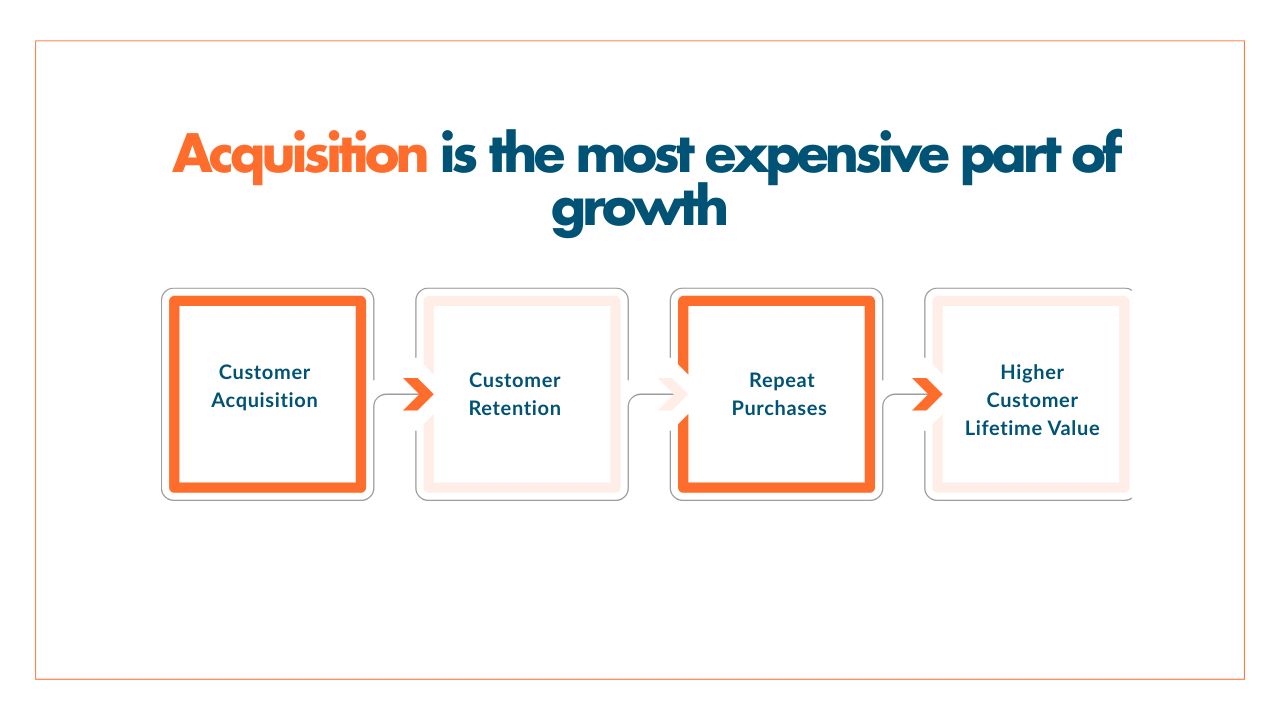
Customer acquisition is visible. You can measure clicks, leads, and conversions. Retention operates quietly in the background, which is why it’s often ignored.
But acquisition is the most expensive part of growth.
Every new customer requires marketing spend, sales effort, onboarding time, and uncertainty around results. Customer lifetime value is the measurement tool that shows whether those costs are justified over time.
When customers stay longer:
Businesses with higher lifetime value don’t need to constantly replace customers just to stand still.
Churn is often explained emotionally. Customers lost focus. They didn’t implement. They got distracted.
But in most companies, churn has very little to do with motivation.
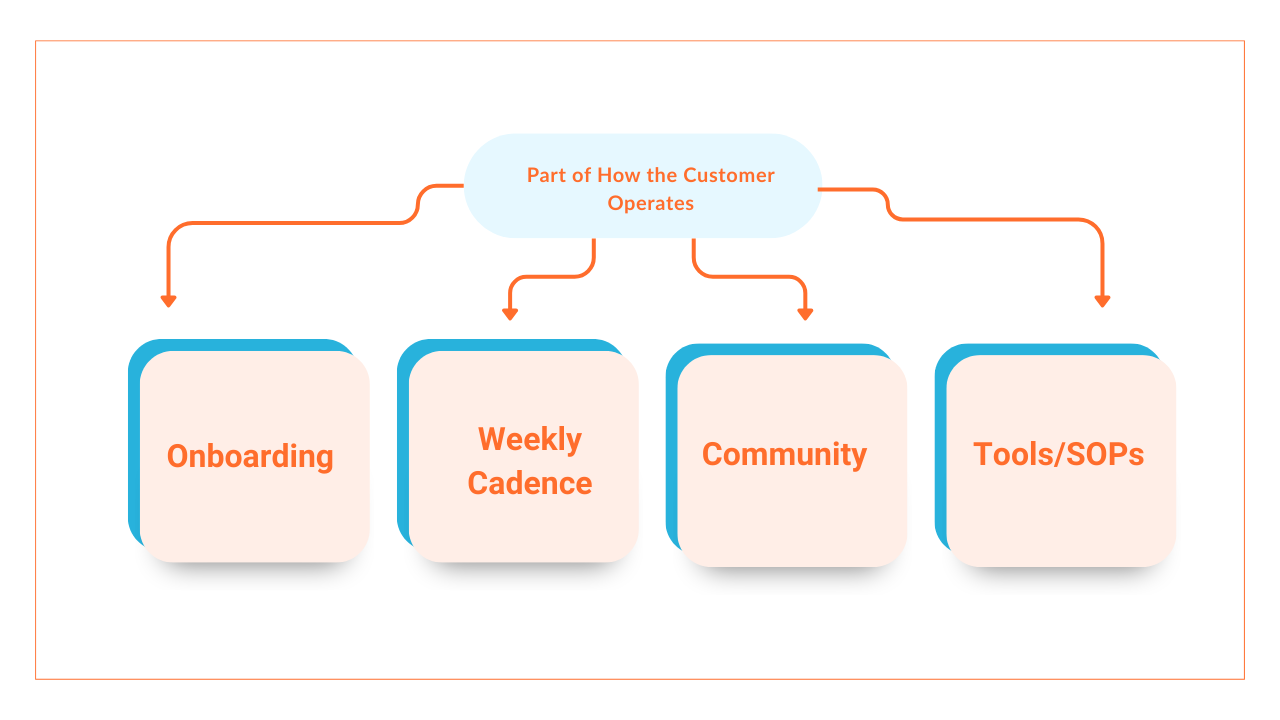
From a systems perspective, people stop using things that aren’t embedded into their everyday lives. If an offer lives on the edge of a business — something clients access occasionally rather than rely on — it competes with everything else.
Retention improves when an offer becomes part of how the customer operates:
If a customer can leave without disrupting anything, retention will always be fragile. When leaving means losing structure, clarity, and operational leverage, staying becomes the default.
Lifetime value is often discussed as a pricing or packaging issue. Increase the fee. Add an upsell. Extend the contract.
Those changes help at the margins, but they don’t address the core issue.
Lifetime value follows results.
Most outcomes worth paying for require continuity:
When customers leave early, two things happen simultaneously. The business loses revenue, and the customer never reaches the compounding phase where results accelerate.
That’s why companies with strong retention generate better case studies and referrals. Customers don’t recommend potential. They recommend outcomes they’ve experienced firsthand.
In coaching, education, and advisory businesses, information is the easiest thing to replace. Once customers understand the basics, AI and search can fill in the rest.
What doesn’t scale cheaply is context.
Community creates value by surrounding customers with peers who are solving similar problems at similar stages. Peer connections normalize challenges, surface blind spots, and create momentum that content alone cannot.
The most valuable outcomes don’t come from teaching, but from customers learning from each other. When customers form real relationships inside a company’s ecosystem, churn drops because leaving is no longer just a commercial decision.
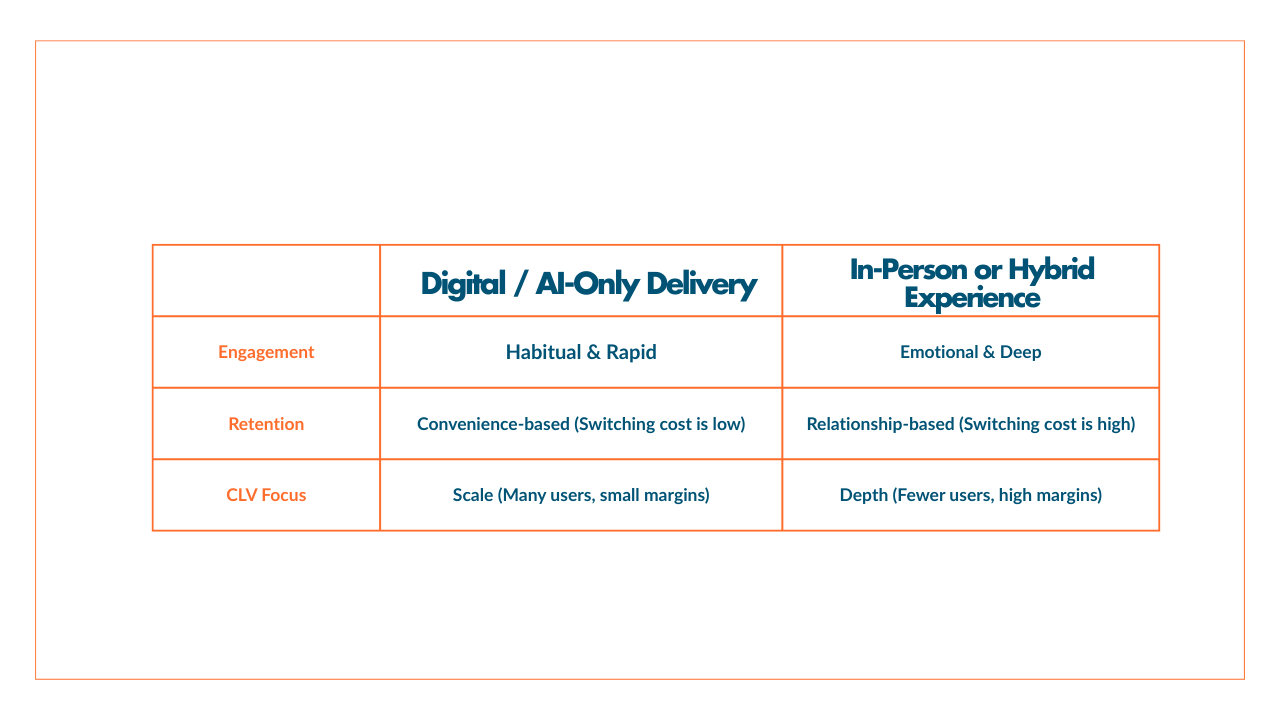
As AI accelerates content creation, digital offers are becoming easier to replace. Convenience has a downside: it reduces differentiation.
In-person experiences change the retention equation.
Live events create value across three phases:
Companies that invest in in-person or hybrid experiences often see higher customer lifetime value because customers stay engaged longer, implement more consistently, and build stronger bonds with the community.
In an AI-driven market, presence becomes a competitive advantage.
When retention is weak, acquisition becomes a treadmill. New customers replace the ones who leave before results mature. Revenue plateaus. Case studies remain thin.
When retention is strong, growth compounds:
This isn’t about loyalty programs or gimmicks. It’s about whether the business rewards continuity. Companies that design for retention spend less on marketing over time and earn more from each customer relationship.
Retention improves fastest through design, not persuasion.
High-leverage areas include:
Onboarding
Clear expectations reduce early churn. Customers should understand what success looks like at 30, 60, and 90 days.
Cadence
Weekly scorecards and review cycles prevent drift and make progress visible.
Negative information
Customers need guidance on what not to do so they don’t waste months chasing distractions.
Peer structure
Small groups, structured discussions, and shared accountability outperform passive communities.
Operational assets
Dashboards, templates, SOPs, and routines create stickiness. Leaving feels like throwing away an operating system, not canceling a subscription.
To calculate lifetime value (LTV), many companies use a simple formula:
Average customer spend × purchase frequency × customer lifespan
The exact LTV formula varies by business model, but the objective is the same: understand how long customers stay, how much revenue they generate, and how churn impacts long-term growth.
If lifetime value is flat, the issue is rarely acquisition volume. It’s usually a retention leak.
Ask this question:
If a customer left tomorrow, what would stop working?
If the answer is “not much,” retention will remain fragile.
If the answer includes workflows, decisions, and relationships, customer lifetime value has room to grow.
Sustainable growth doesn’t come from doing more marketing.
It comes from building a company worth staying with.
When customers stay longer:
That’s how customer lifetime value increases — and why the healthiest companies focus on retention before scaling acquisition.
If you want the full breakdown, you can watch the complete conversation with Dave Jenyns here: How to Get Clients to Stay Longer.
And if you want help installing a marketing operating system your team actually runs — with clear cadence, accountability, and ownership — Lean Marketing can help you implement it properly.
You'll get new articles delivered straight to your inbox, plus special subscriber-only content such as podcasts, videos and live training events.

Get free weekly emails that make you smarter at marketing and help you grow your business