
Building a personal brand has become one of the most effective ways to create leverage in business, leadership, and career growth. But most people overcomplicate the process or focus on surface-level tactics that don’t translate into real opportunity.
To build a personal brand that actually works, you need more than visibility. You need clarity, consistency, and a strategy that reflects how you create value in the real world.
In a recent conversation on the Lean Marketing Podcast, I spoke with Omar Zenhom of the $100 MBA and WebinarNinja about personal branding, content creation, and how founders can recognize their value in an increasingly digital and AI-driven market. This article distills that discussion into a clear, practical framework you can apply immediately.
A professional brand isn’t about becoming an influencer or posting endlessly on social media. It’s about how people perceive your judgment, experience, and credibility over time.
Strong personal branding creates momentum because it:
A well-built personal brand strategy connects your experience, interests, and perspective into a narrative that people can trust.
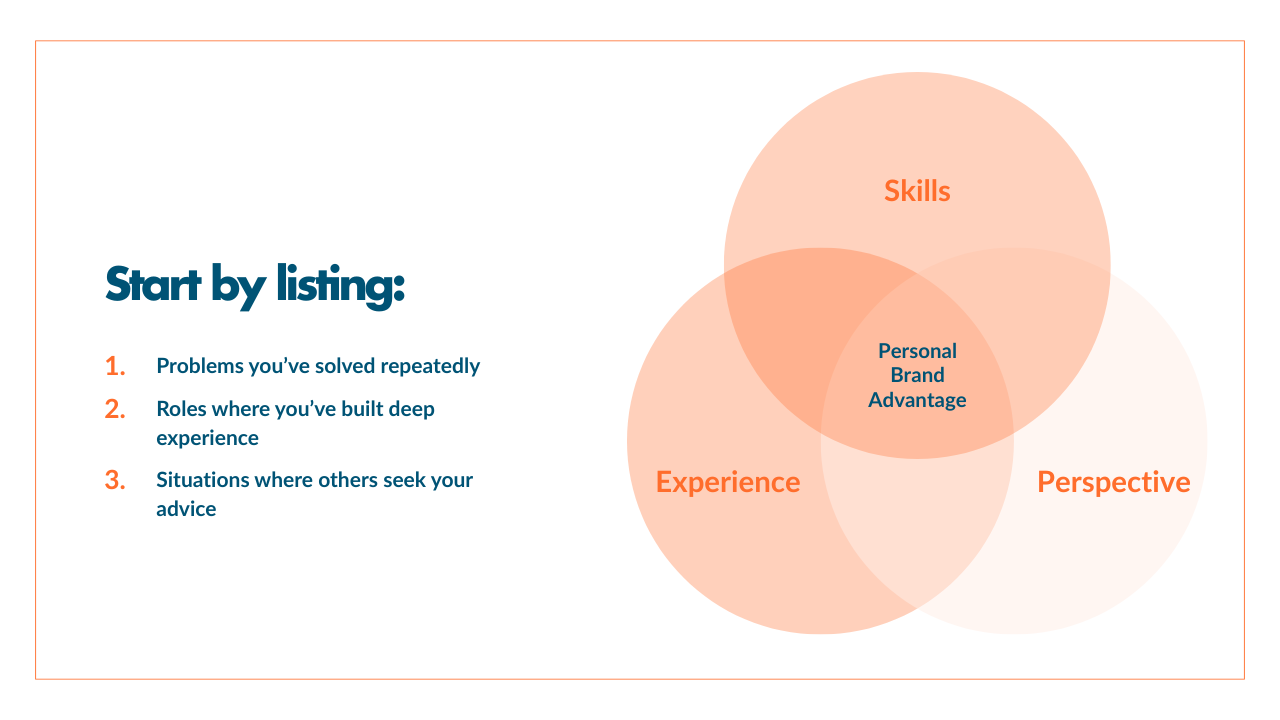
Many professionals struggle with personal branding because they fail to recognize their value. The skills you use daily often feel ordinary, but they are usually the foundation of a strong personal brand.
Start by listing:
This exercise helps you identify the raw materials of your branding personal approach. Your personal story, combined with professional experience, creates differentiation that cannot be copied.
Personal branding fails when it tries to speak to everyone.
To build a personal brand online, you need a clearly defined target audience. This includes understanding:
Your audience determines the platforms you use, the type of personal content you create, and the tone of your communication. Whether that’s a LinkedIn profile, long-form writing, or short-form video, clarity here prevents wasted effort.
Content is the delivery mechanism for your brand. It allows people to experience how you think before they ever speak with you.
Effective personal branding content often includes:
You don’t need to be everywhere. Choose one or two media platforms and commit to consistency. Over time, your personal brand becomes associated with ideas people remember and reference.
Social media rewards clarity more than frequency.
A focused personal brand strategy ensures that each post reinforces your positioning. This includes visual brand cues, tone, and recurring themes. A professional presence—especially on platforms like LinkedIn—helps signal credibility and leadership without requiring constant activity.
Think in terms of contribution, not promotion.
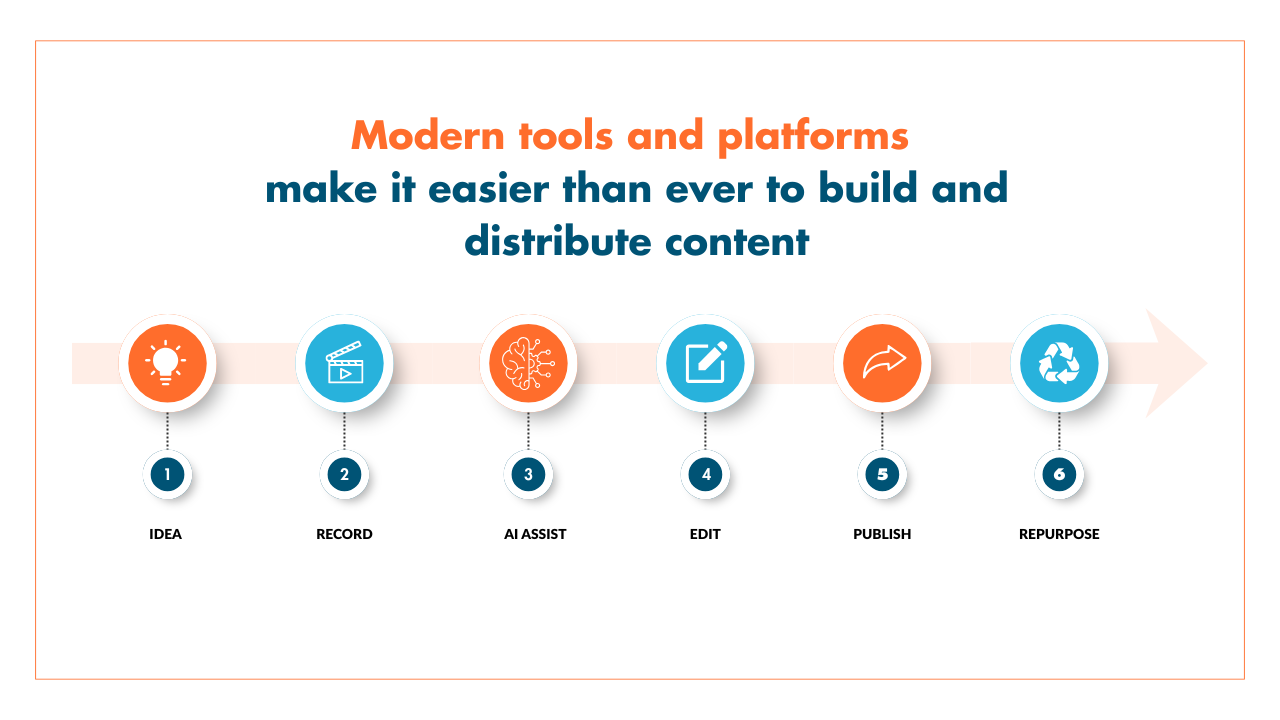
Modern tools and platforms make it easier than ever to build and distribute content. Use AI, scheduling tools, and analytics to support your workflow—but they shouldn’t replace judgment.
The goal is to use tools to amplify your message, not dilute it. Your personal brand grows when people recognize a consistent voice and perspective across digital channels.
A personal brand is most powerful when it supports business goals. This might include:
When aligned correctly, personal branding strengthens your business without feeling like a separate project.
Over time, your personal brand becomes an asset that compounds.
Personal branding is not about shortcuts or viral moments. It’s about building trust with a specific audience by consistently showing up with useful ideas and real experience.
When you build a personal brand with intention, you create opportunities that didn’t exist before—professionally, creatively, and commercially.
If you want to go deeper, listen to the full conversation with Omar Zenhom on the Lean Marketing Podcast.
You'll get new articles delivered straight to your inbox, plus special subscriber-only content such as podcasts, videos and live training events.

Get free weekly emails that make you smarter at marketing and help you grow your business